Optimal Timing for Siding Service
Siding service can enhance the appearance and durability of a building's exterior. The optimal timing for such work depends on various factors including weather conditions, temperature, and humidity. Proper timing ensures quality installation and longevity of the siding material.
Spring offers moderate temperatures and longer daylight hours, making it ideal for siding installation and repairs. It also allows for timely completion before summer heat.
Summer can be suitable if weather conditions are dry and temperatures are not excessively high. However, extreme heat may affect material handling and adhesion.
Fall provides cooler temperatures and less humidity, which can be beneficial for siding projects. It also allows work to be completed before winter.
Winter is generally less favorable due to cold temperatures, snow, and ice. These conditions can hinder installation and affect the quality of work.
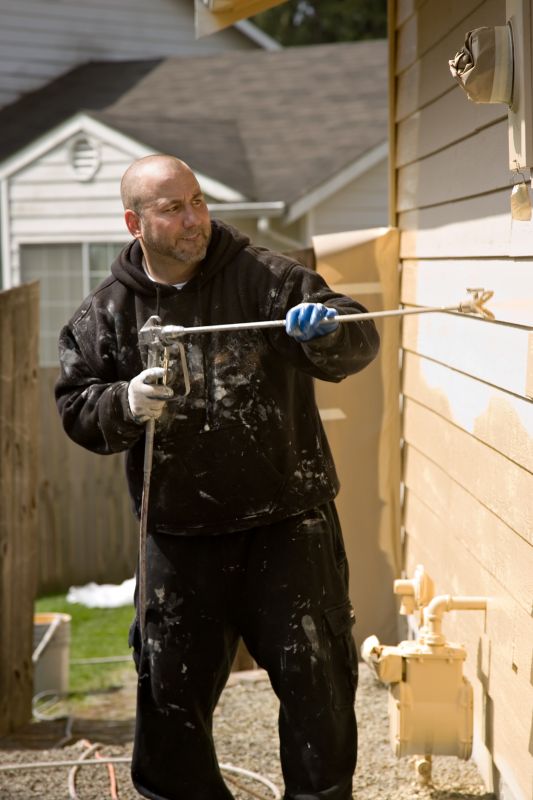
Professional siding work underway during spring with optimal weather conditions.
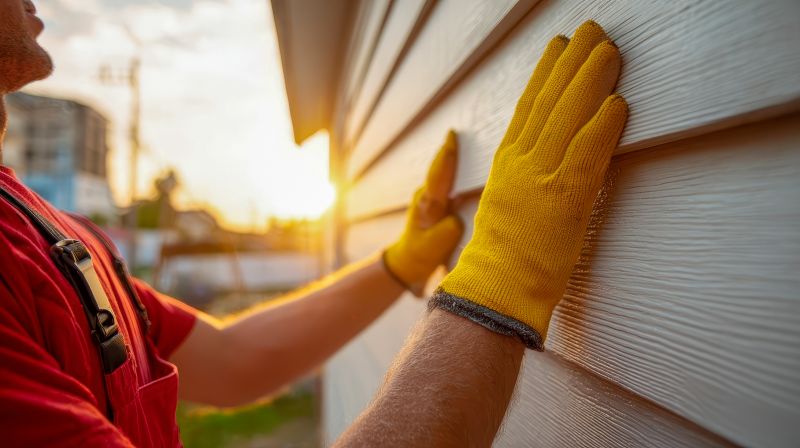
Siding being installed on a sunny summer day.
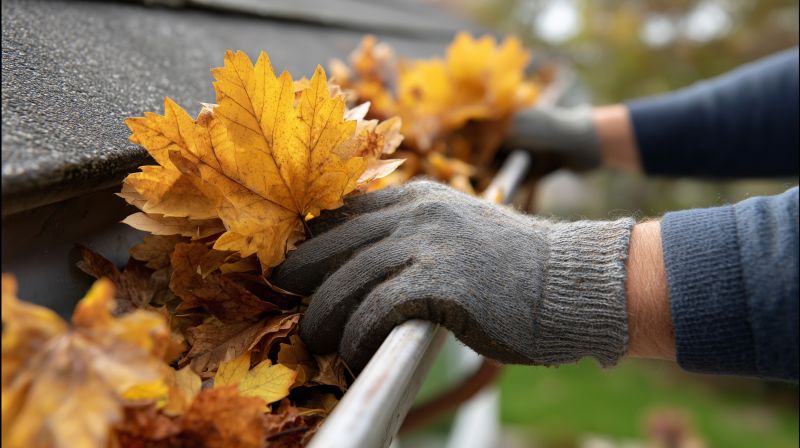
Preparation and maintenance of siding in autumn.
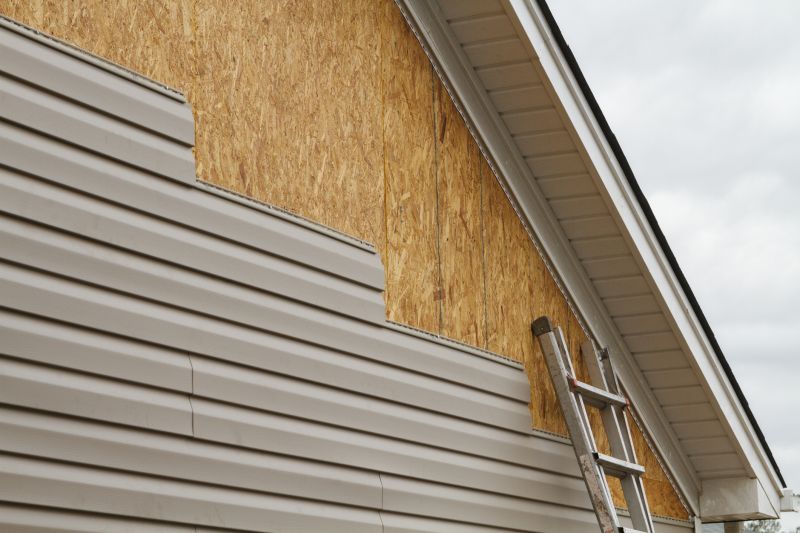
Siding installation during winter with protective measures.
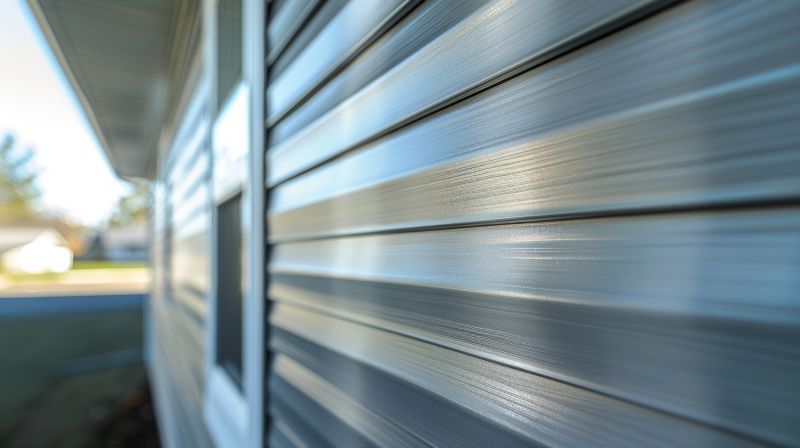
Weather conditions suitable for siding service at different times of year.
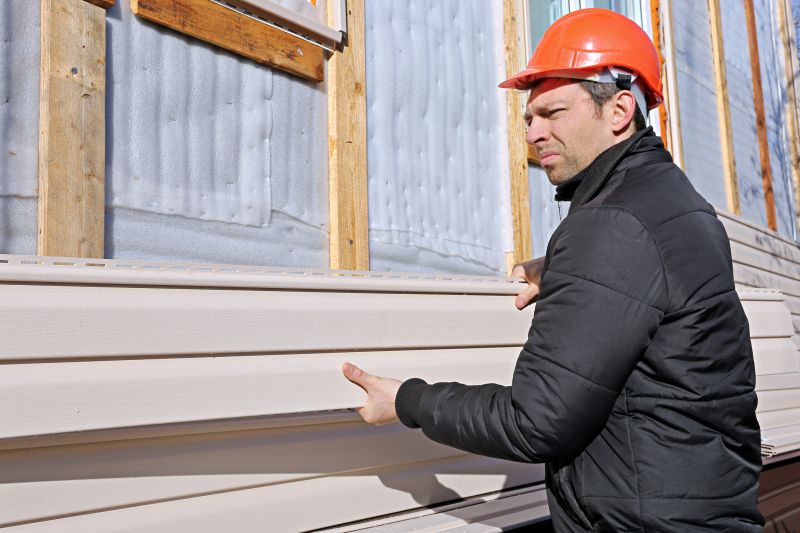
Experienced professionals installing siding on a residential building.
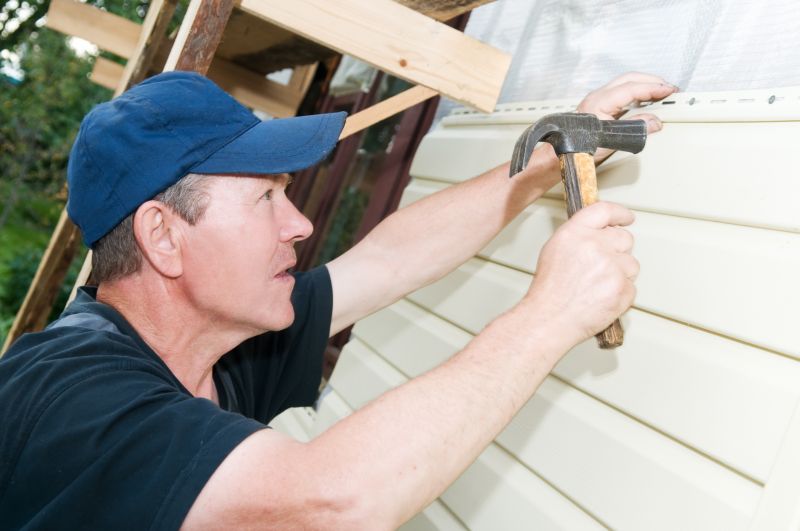
Completed siding project showcasing quality craftsmanship.
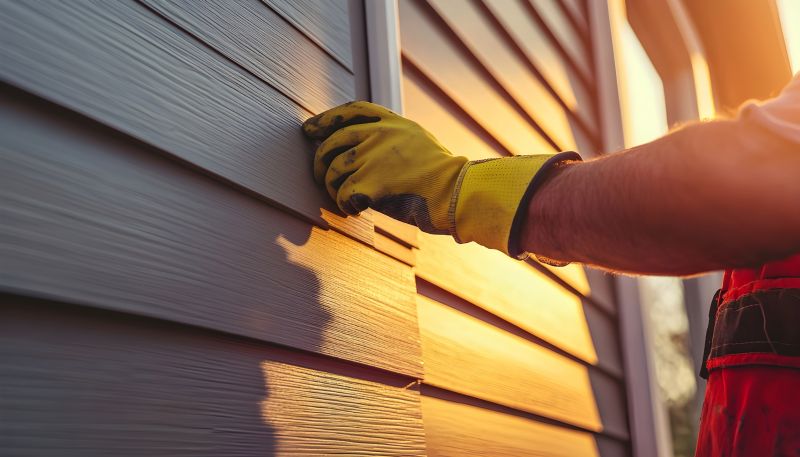
Inspection of siding after installation for quality assurance.
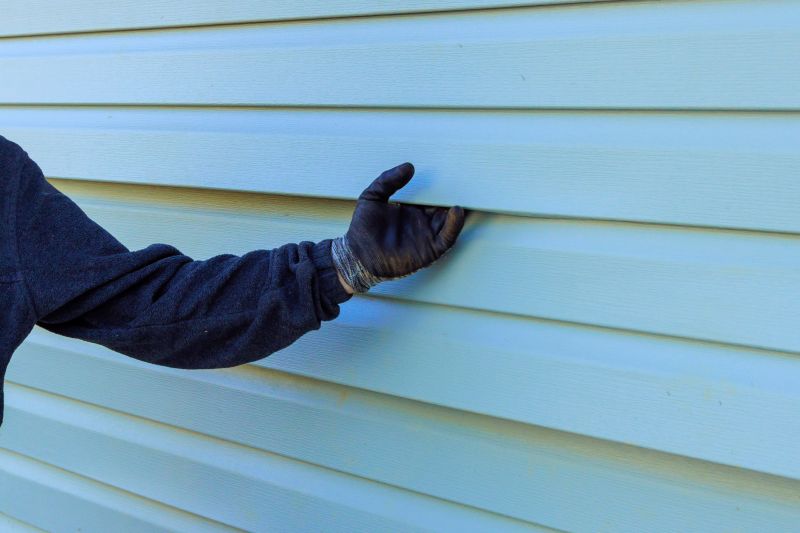
Various siding materials used in different seasons.
| Season | Recommended Conditions |
|---|---|
| Spring | Mild temperatures, low humidity, moderate rainfall |
| Summer | Dry weather, temperatures below 85°F |
| Fall | Cool temperatures, low humidity, dry conditions |
| Winter | Cold temperatures, snow, ice, generally not recommended |
Siding service involves installing or repairing exterior wall coverings to improve insulation, protect against weather elements, and enhance aesthetic appeal. Proper timing ensures materials are installed under optimal conditions, reducing the risk of issues like warping, cracking, or poor adhesion. Scheduling siding work during suitable seasons can also prevent delays caused by weather disruptions.
Statistics indicate that siding installation during favorable weather conditions can extend the lifespan of the siding by several years. For example, siding installed in spring or fall tends to have fewer issues related to moisture and temperature fluctuations. This results in fewer repairs and maintenance over time, providing long-term value.

Technicians working on siding repair during optimal weather.
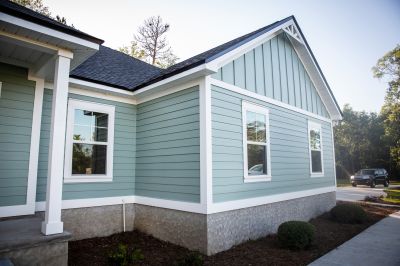
Home exterior with new siding installation.

Preparing siding for upcoming seasonal changes.
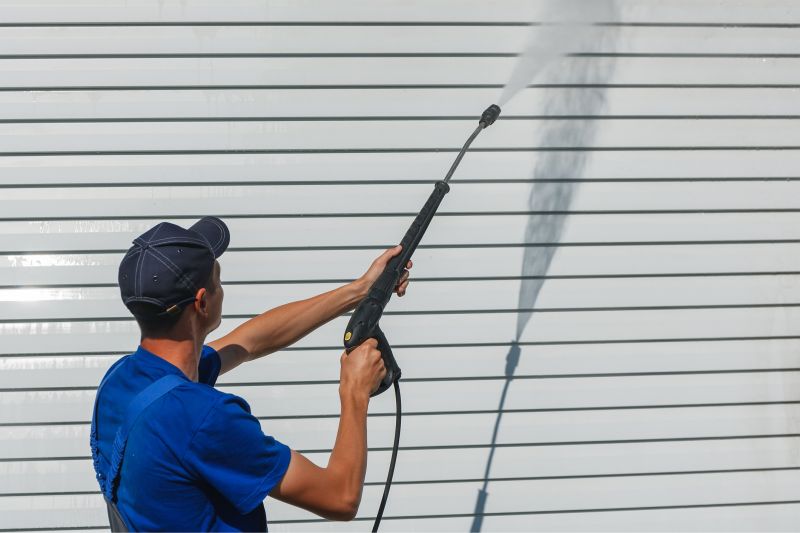
Inspecting siding after installation for quality assurance.
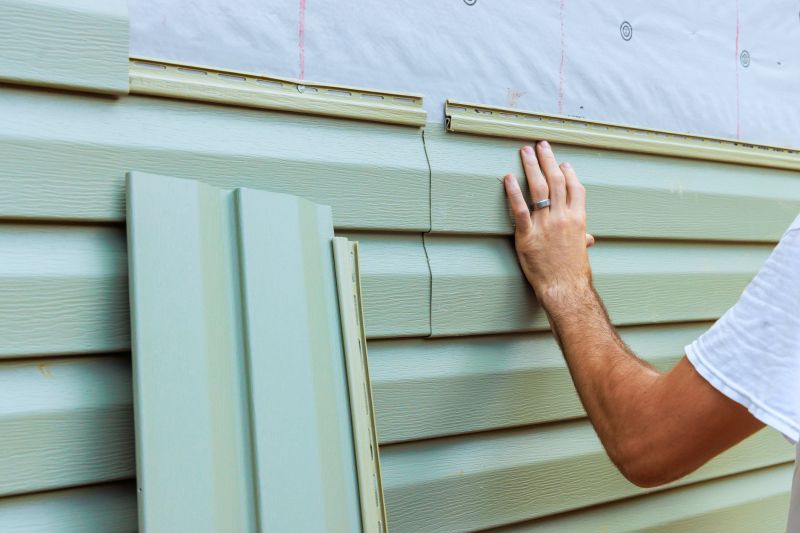
Ways to make Siding Service work in tight or awkward layouts.
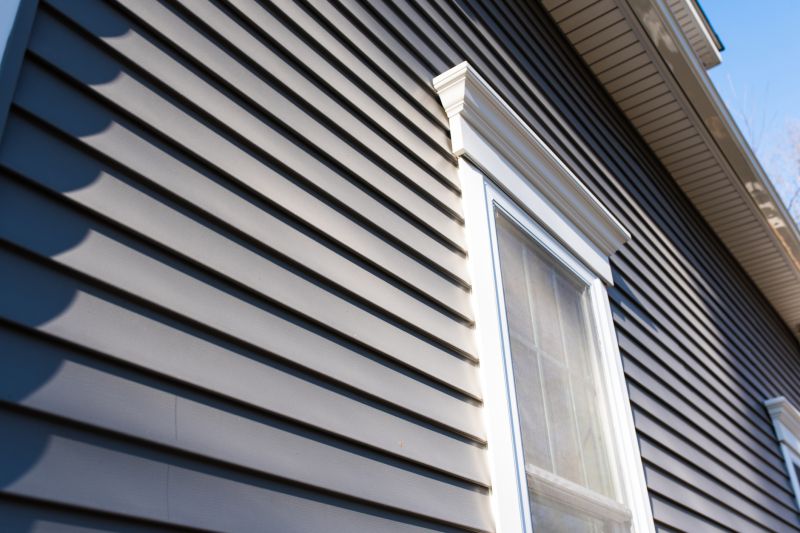
Popular materials for Siding Service and why they hold up over time.
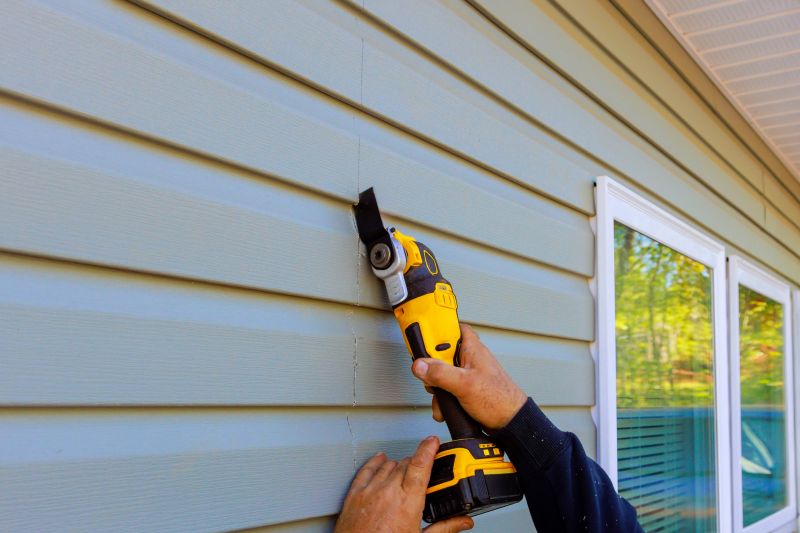
Simple add-ons that improve Siding Service without blowing the budget.
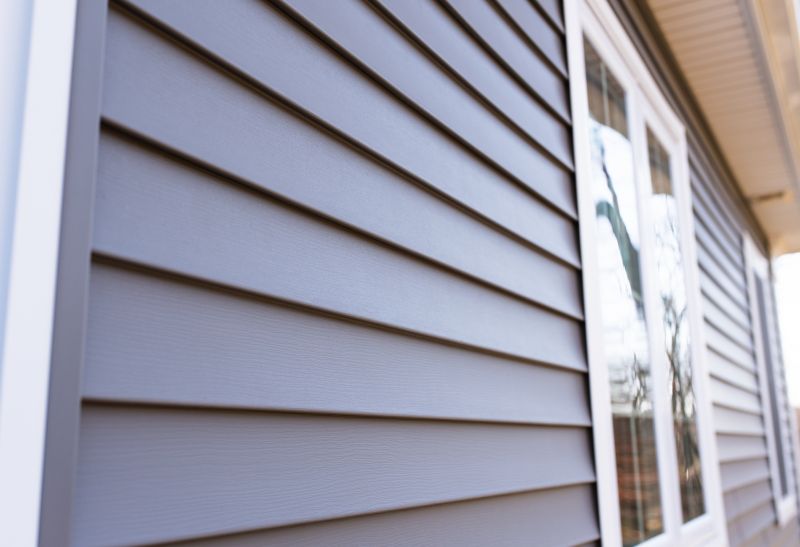
High-end options that actually feel worth it for Siding Service.
Interested parties are encouraged to contact for further details on scheduling siding services. Proper timing can lead to better results and longer-lasting exterior protection, making it a valuable consideration for property maintenance and enhancement.